Buy wcsitz.eu ?
We are moving the project
wcsitz.eu .
Are you interested in purchasing the domain
wcsitz.eu ?
domain@kv-gmbh.de · 0541-91531010
Buy wcsitz.eu ?
What is the difference between damping factor and damping mass?
Damping factor is a measure of how effectively a system can dissipate energy, and it is typically represented as a ratio of the actual damping in a system to the critical damping. Damping mass, on the other hand, refers to the mass that is used to dissipate energy in a system, such as in a vibration damping system. In other words, damping factor is a measure of the effectiveness of the damping in a system, while damping mass is the physical mass that is used to provide damping in a system. **
What is the damping factor?
The damping factor is a parameter used in engineering and physics to describe the rate at which oscillations in a system decay over time. It is a measure of how quickly the system returns to equilibrium after being disturbed. A higher damping factor indicates faster decay of oscillations, leading to a quicker stabilization of the system. In contrast, a lower damping factor results in slower decay of oscillations, potentially leading to prolonged oscillations or even instability in the system. **

Similar search terms for Undesired Damping
Top-Angebote
Products related to Undesired Damping:
-
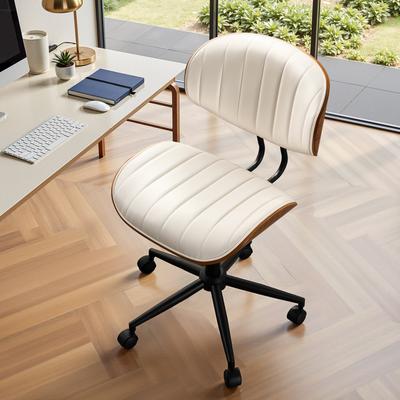
GREATPLANINC Stylish Office Chair Ergonomic Chair Vanity Chair with Adjustable Height Swivel Chair Executive Chair for BedroomThe wider and deeper seat design ensures ample space, while the 40° reclining chassis allows you to relax during breaks. Built with a sturdy 320mm base, this chair offers both style and stability for any workspace.163,49 $*Shipping: 0,00 $Secure redirect to the provider
-
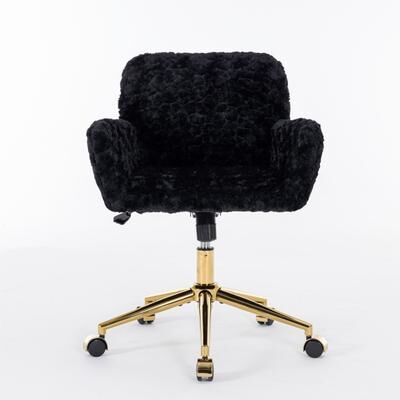
Modern Designs Ergonomic Mesh Office Chair, Adjustable Height, Tilt, Headrest & LumbarBring comfort and functionality to your workspace with this ergonomic mesh office chair. The breathable backrest promotes airflow, while the padded seat, adjustable headrest, and supportive armrests provide added comfort.193,99 $*Shipping: 0,00 $Secure redirect to the provider



-
How do you calculate the damping factor?
The damping factor can be calculated by dividing the actual damping coefficient of a system by the critical damping coefficient. The critical damping coefficient is calculated by multiplying the mass of the system by the square root of the spring constant. Once you have both values, you can divide the actual damping coefficient by the critical damping coefficient to determine the damping factor of the system. A damping factor greater than 1 indicates an overdamped system, a factor of 1 represents critical damping, and a factor less than 1 signifies an underdamped system. **
-
What are desired and undesired vibrations in physics?
Desired vibrations in physics refer to oscillations or movements that are intentional and necessary for the functioning of a system, such as in musical instruments or electronic devices. These vibrations are typically controlled and optimized to achieve a specific purpose. On the other hand, undesired vibrations are unwanted oscillations that can lead to inefficiencies, malfunctions, or even damage in a system. These vibrations need to be minimized or eliminated to ensure the proper functioning and longevity of the system. **
-
Are these movements desired or undesired with friction?
Friction is a force that opposes the relative motion between two surfaces in contact. In some cases, such as when walking or driving a car, friction is desired as it allows us to move and control the motion of objects. However, in other cases, such as when trying to reduce wear and tear on machinery or when trying to minimize heat generation, friction is considered undesired. Overall, the desirability of movements with friction depends on the specific context and the goals of the system or process. **
-
Are these movements with friction desired or undesired?
These movements with friction are typically considered undesired. Friction can cause wear and tear on surfaces, leading to damage and decreased efficiency. In many cases, efforts are made to reduce friction through lubrication or other means to improve the performance and longevity of the moving parts. **


What are desired and undesired conductors of heat?
Desired conductors of heat are materials that efficiently transfer heat, such as metals like copper and aluminum. These materials are used in cooking utensils and heat exchangers to quickly and evenly distribute heat. Undesired conductors of heat are materials that do not transfer heat well, such as insulating materials like rubber and wood. These materials are used to prevent heat transfer, such as in the insulation of buildings and electrical wiring. **
What is the undesired energy dissipation of a resistor?
The undesired energy dissipation of a resistor refers to the heat that is generated when current flows through the resistor. This heat is a result of the resistance in the material of the resistor, which causes some of the electrical energy to be converted into thermal energy. This energy dissipation is often considered wasteful as it does not contribute to the intended function of the circuit and can lead to inefficiencies and potential overheating issues. **
Top-Angebote
Products related to Undesired Damping:
-
HOOOWOOO Modern Ergonomic Adjustable PU Curved Office ChairTransform your workspace with the Ergonomic Adjustable PU Curved Office Chair by HOOOWOOO. Featuring curved backrest and U-shaped design, this chair not only offer back and lumbar support, but also save space for more area.125,99 $*Shipping: 0,00 $Secure redirect to the provider
-
GREATPLANINC Stylish Office Chair Ergonomic Chair Vanity Chair with Adjustable Height Swivel Chair Executive Chair for BedroomThe wider and deeper seat design ensures ample space, while the 40° reclining chassis allows you to relax during breaks. Built with a sturdy 320mm base, this chair offers both style and stability for any workspace.163,49 $*Shipping: 0,00 $Secure redirect to the provider
-
What is the difference between damping factor and damping mass?
Damping factor is a measure of how effectively a system can dissipate energy, and it is typically represented as a ratio of the actual damping in a system to the critical damping. Damping mass, on the other hand, refers to the mass that is used to dissipate energy in a system, such as in a vibration damping system. In other words, damping factor is a measure of the effectiveness of the damping in a system, while damping mass is the physical mass that is used to provide damping in a system. **
-
What is the damping factor?
The damping factor is a parameter used in engineering and physics to describe the rate at which oscillations in a system decay over time. It is a measure of how quickly the system returns to equilibrium after being disturbed. A higher damping factor indicates faster decay of oscillations, leading to a quicker stabilization of the system. In contrast, a lower damping factor results in slower decay of oscillations, potentially leading to prolonged oscillations or even instability in the system. **
-
How do you calculate the damping factor?
The damping factor can be calculated by dividing the actual damping coefficient of a system by the critical damping coefficient. The critical damping coefficient is calculated by multiplying the mass of the system by the square root of the spring constant. Once you have both values, you can divide the actual damping coefficient by the critical damping coefficient to determine the damping factor of the system. A damping factor greater than 1 indicates an overdamped system, a factor of 1 represents critical damping, and a factor less than 1 signifies an underdamped system. **
-
What are desired and undesired vibrations in physics?
Desired vibrations in physics refer to oscillations or movements that are intentional and necessary for the functioning of a system, such as in musical instruments or electronic devices. These vibrations are typically controlled and optimized to achieve a specific purpose. On the other hand, undesired vibrations are unwanted oscillations that can lead to inefficiencies, malfunctions, or even damage in a system. These vibrations need to be minimized or eliminated to ensure the proper functioning and longevity of the system. **
Similar search terms for Undesired Damping
-
Modern Designs Ergonomic Mesh Office Chair, Adjustable Height, Tilt, Headrest & LumbarBring comfort and functionality to your workspace with this ergonomic mesh office chair. The breathable backrest promotes airflow, while the padded seat, adjustable headrest, and supportive armrests provide added comfort.193,99 $*Shipping: 0,00 $Secure redirect to the provider
-
iBathUK Aventa Wall Hung Modern Square Ceramic Cloakroom Basin, Durable and Stylish Ceramic Basin Natural 360mm WThe iBathUK Aventa Modern Wall Hung Rectangular Counter Top Ceramic Wash Basin Sink is a sleek and versatile addition to contemporary bathrooms, cloakrooms, or en-suites. Its wall-hung design creates a floating effect that maximises floor space while enhancing the modern aesthetic of your bathroom. Made from high-quality gloss white ceramic, the basin is durable, resistant to scratches and stains, and retains a polished finish over time. Its rectangular shape adds a contemporary edge and provides a spacious surface for practical daily use. Designed for both countertop and wall-mounted installation, this basin suits a wide range of bathroom layouts. Its compact dimensions make it ideal for smaller spaces while maintaining style and functionality. The premium ceramic construction ensures long-lasting durability and easy maintenance, making it a practical and stylish choice for modern homes. Key Features: 1. Durable Ceramic Construction: Crafted from premium gloss white ceramic, the basin is built to withstand daily use, resisting scratches, stains, and minor impacts while maintaining a pristine appearance. 2. Versatile Installation Options: With dimensions of H13 x W36 x D51 cm and a lightweight design of 11.5kg, it can be installed as a wall-hung or countertop basin, offering flexibility for various bathroom layouts. 3. Functional Tap and Waste Setup: The basin includes a 35mm tap hole, 45mm waste hole, and a 45x8mm overflow hole, providing reliable water management and compatibility with standard fittings. 4. Modern Rectangular Design: The clean, sharp lines of the rectangular basin give your bathroom a contemporary and sophisticated look, complementing minimalist décor schemes. 5. Hygienic and Easy to Maintain: The high-gloss glazed surface is effortless to clean, helping maintain a polished and hygienic bathroom environment with minimal effort. iBathUK46,99 £*Shipping: 4,99 £Secure redirect to the provider
-
GREATPLANINC Stylish Swivel Chair Office Chair Ergonomic Chair with Curved Seat and Adjustable Height Executive Chair Vanity Chair,BrownElevate your workspace with this sleek swivel chair, combining comfort and style with its curved seat and soft faux leather upholstery.115,98 $*Shipping: 0,00 $Secure redirect to the provider
-
Are these movements desired or undesired with friction?
Friction is a force that opposes the relative motion between two surfaces in contact. In some cases, such as when walking or driving a car, friction is desired as it allows us to move and control the motion of objects. However, in other cases, such as when trying to reduce wear and tear on machinery or when trying to minimize heat generation, friction is considered undesired. Overall, the desirability of movements with friction depends on the specific context and the goals of the system or process. **
-
Are these movements with friction desired or undesired?
These movements with friction are typically considered undesired. Friction can cause wear and tear on surfaces, leading to damage and decreased efficiency. In many cases, efforts are made to reduce friction through lubrication or other means to improve the performance and longevity of the moving parts. **
-
What are desired and undesired conductors of heat?
Desired conductors of heat are materials that efficiently transfer heat, such as metals like copper and aluminum. These materials are used in cooking utensils and heat exchangers to quickly and evenly distribute heat. Undesired conductors of heat are materials that do not transfer heat well, such as insulating materials like rubber and wood. These materials are used to prevent heat transfer, such as in the insulation of buildings and electrical wiring. **
-
What is the undesired energy dissipation of a resistor?
The undesired energy dissipation of a resistor refers to the heat that is generated when current flows through the resistor. This heat is a result of the resistance in the material of the resistor, which causes some of the electrical energy to be converted into thermal energy. This energy dissipation is often considered wasteful as it does not contribute to the intended function of the circuit and can lead to inefficiencies and potential overheating issues. **
* All prices are inclusive of VAT and, if applicable, plus shipping costs. The offer information is based on the details provided by the respective shop and is updated through automated processes. Real-time updates do not occur, so deviations can occur in individual cases. ** Note: Parts of this content were created by AI.